

By Rick Steelhammer
For HDMedia
Working mainly with groups of about 15 individuals at a time, Charleston’s Kanawha Valley Fellowship home has helped more than 2,000 men achieve sobriety since it opened in 1967, benefiting families, employers and the community, as well as the men themselves.
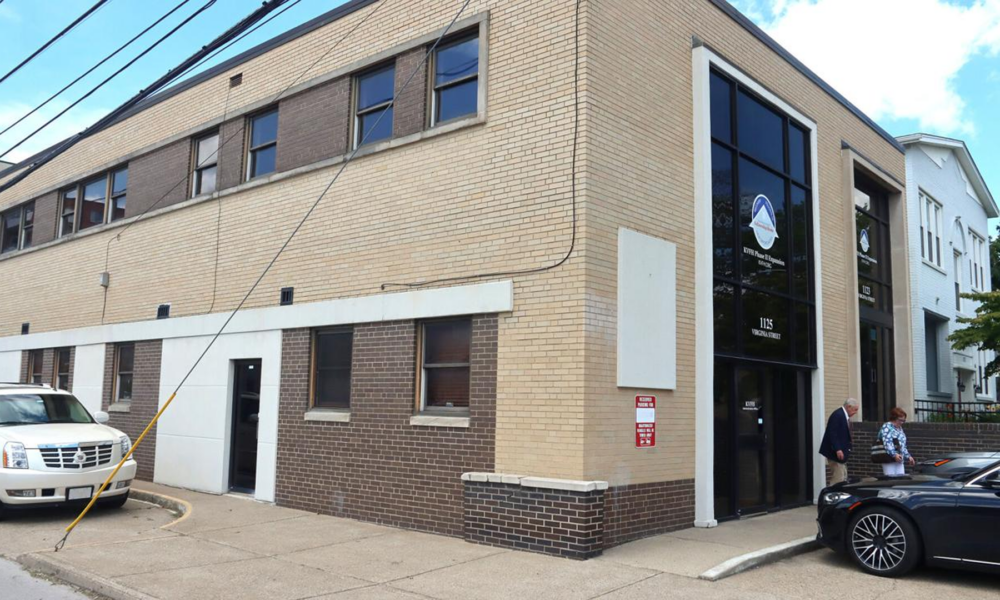
A new 4,250-square-foot addition taking shape next door to the 1121 Virginia St. E. sober living home will allow the private, nonprofit facility to nearly double the number of residents in the early stages of recovery, and thus add to the number of alumni achieving long-term sobriety.
Construction is expected to begin later this month on converting the second floor of a building adjacent to the Fellowship Home that once housed a medical clinic and a law office into 12 new studio apartments for those who are addicted to drugs or alcohol but have a serious desire to become sober.
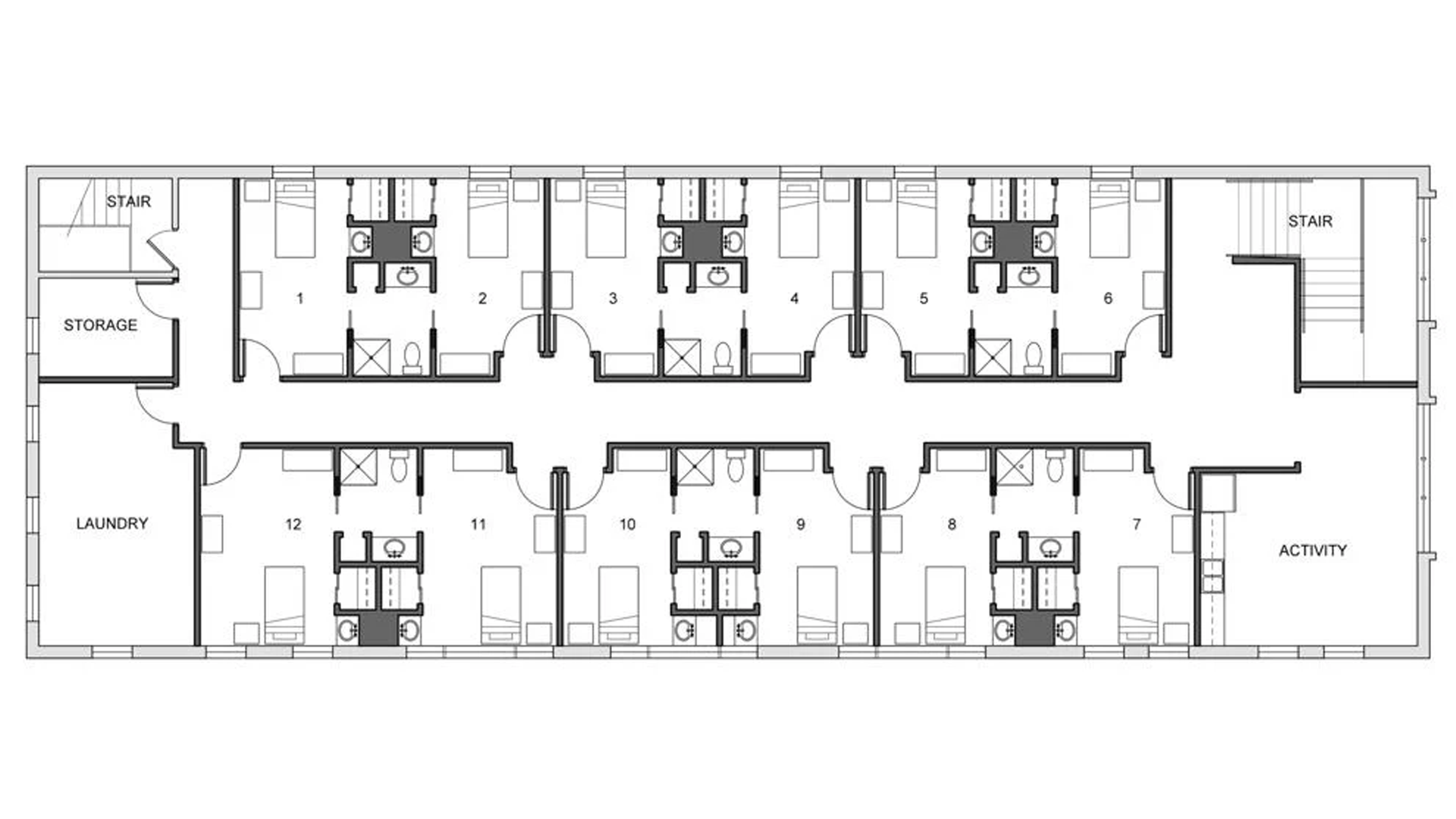
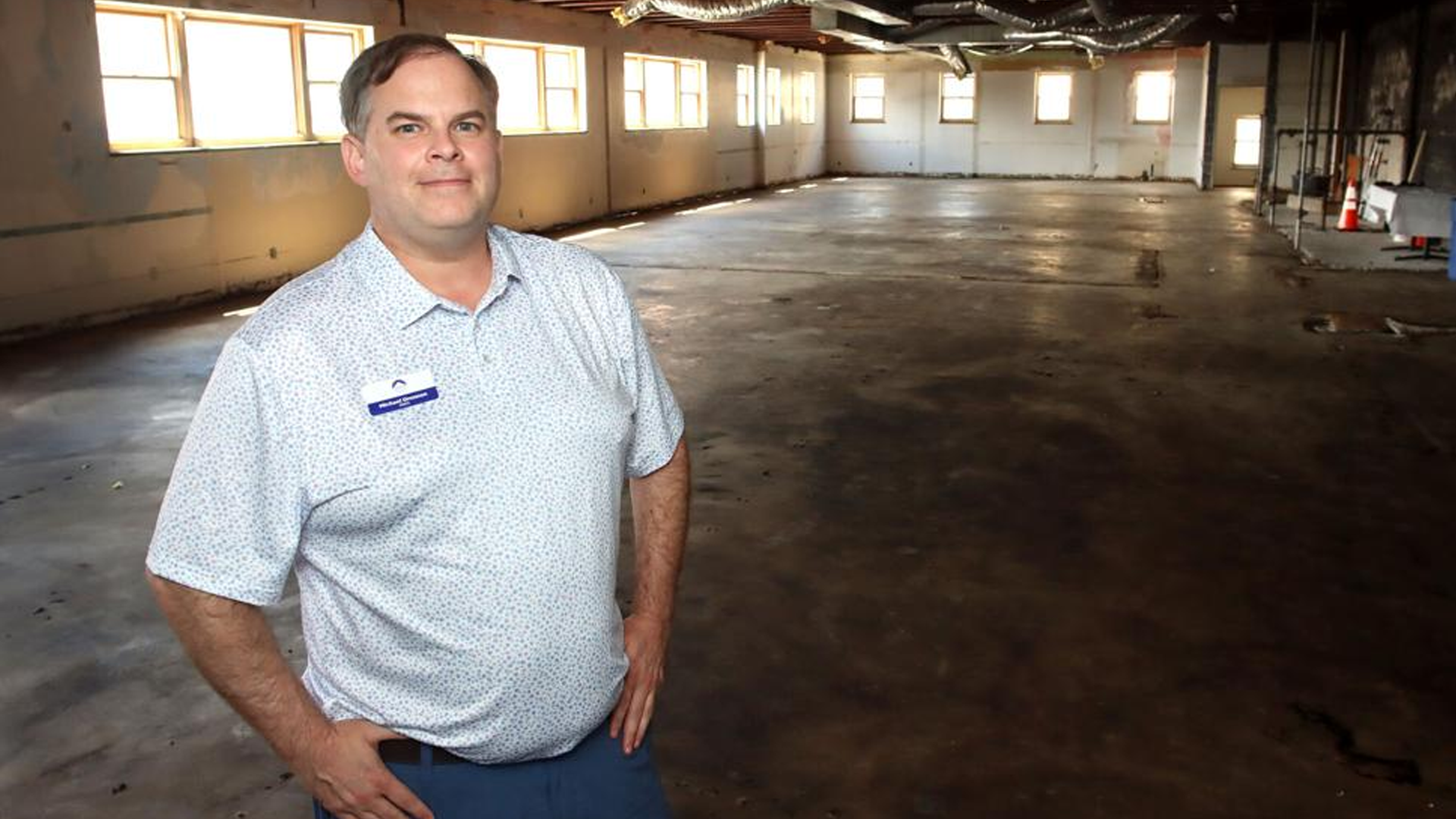
The Fellowship Home, which currently houses 15 residents in the first phase of its recovery program, has raised all but about $100,000 of the nearly $2.25 million needed to cover the cost of buying the building at 1123 Virginia St. E., gutting the interior of its second floor, removing asbestos, and adding living quarters for 12 additional residents.
With the offices that once occupied the second-floor site now removed and Jarrett Construction set to begin building the new apartments within the next few weeks, Kanawha Valley Fellowship Home, with a long waiting list of prospective residents, is on track to begin hosting the additional residents sometime in early 2027.
Expansion ‘will help save lives’
Since the Fellowship Home’s role is “bringing people back to life in our community,” according to Dick Daugherty, the program’s executive director for the past five years, the additional beds “will help save more lives.”
The life-saving potential of the program is not an overstatement, according to Dennis M., a Fellowship Home alumnus.
“Without the Fellowship Home, I’d either be in prison or dead,” he said. “I liked crystal meth. I only did it once — for 16 years,” he said, before learning about the Fellowship Home.
After completing a 28-day detox program in his then-home state of North Carolina, Dennis told his counselor there that he was sure to relapse without further assistance, but lacked the money or insurance needed for another in-patient stay.
The counselor — it turned out — was familiar with the Kanawha Valley Fellowship Home, and suggested that Dennis apply to become a resident there “if I was willing to go to any length to get sober,” which he said he was.
“I’m so thankful I was accepted,” he said. “I had burned all bridges behind me and had nowhere else to go. You don’t go into sober living on a winning streak.”
“We run a tight ship,” Daugherty said. “It’s an abstinence-based 12-step program,” he said, in which all residents are required to have a job, undergo drug and alcohol screening, help with household chores and attend 12-step meetings. “It’s also a safe, affordable place with a supportive environment and access to education, counseling, health and dental care.”
All members of the Fellowship Home staff are in recovery and are familiar with addiction and the recovery process.
“It’s a rock-solid program that can be tough at times,” Dennis said. “But it gave me something I didn’t have, but really needed — a pathway forward and instructions on how to get there. Having some structure — a job, a curfew, even little things like having to make my bed in the morning — I didn’t have any of that before I got there, helped give me a sense of accomplishment. Doing it as part of a community of guys trying to work the program one day at a time made a big difference.”
Dennis, now a few weeks shy of being clean and sober for 16 years, married, and working as a counselor, said he was pleased to see the Fellowship Home expand. Its recovery program, he said, “is a great mix of everything you need” to recover from substance abuse syndrome.
Kanawha Valley Fellowship Home was initially located a few hundred feet up Virginia Street in what had once been the pastor’s residence for First Presbyterian Church. The church made the building available for use as a sober living transitional home for $1 per year.
The evolution of the Kanawha Valley Fellowship
Changes in zoning rules prompted the Fellowship Home to move in 2004 to its current headquarters at 1121 Virginia St. E., in a building which the church bought and leased to the Fellowship Home’s board of directors at the same $1-per-year rate. The Fellowship Home, in turn, added $850,000 in renovations, which included a commercial-grade kitchen and a fire-protection sprinkler system, in addition to individual rooms for 15 men.
Over time, what began as a six-month residential program primarily serving alcoholics — 12 to 15 at a time — has become a six-month to three-year program serving those suffering from both alcoholism and drug addiction.
“We’ve found that sober living and aftercare go hand in hand,” Daugherty said. “Those who stay with the program here for six months have about a one-in-three chance of attaining long-term sobriety, which we define as at least five years. For those who stay for one year, the chances are much better — about 70%. And for those who are with us for three years and continue to work the program, the odds go up to almost 80%.”
In 2015 and 2016, to accommodate its aftercare program, the Fellowship Home bought two homes on Quarrier Street, one of which had already been converted into apartments, and the other requiring modification. Combined, they offer living space for 20 men who have graduated from the initial six-month program but seek more time to transition to totally independent living. Residents pay rent, but at below-market rates.
The Kimble Hall Aftercare Apartments provide a less restrictive, but still structured, environment, in which random drug and alcohol screening takes place, but no curfew is imposed, allowing residents to spend more time with family members, attend classes or work night shifts. Residents pay rent, but at 40-50% below-market rates.
The Dickinson Place Long Term Apartments offer a “soft launch” back into society, with furnished apartments with full kitchens, capable of accommodating occasional overnight guests. While residents are expected to maintain sobriety, attend 12-step meetings, work on education and save money from jobs, counseling is no longer required.
With the soon-to-be-built studio apartments, the Quarrier Street apartments and the Fellowship Home residential space, the program will have beds for a total of 47 men.
Rea of Hope, a program similar to the Fellowship Home but focused on women, operates from six locations in Charleston’s East End and averages 45 admissions annually.
For Daugherty, who sold his interest in a car retailing business to work full-time for the Fellowship Home, the main benefit of his involvement with the recovery program is simple:
“I get to see people getting better,” he said. “It makes me feel good.”
Read more from HDMedia, here.