


By Sam England
For WV TRAIL
WV TRAIL announced today the completion of the Statewide Trail Plan Framework, the culmination of a nearly year‑long effort to gather public input, analyze statewide needs, and outline a modern vision for West Virginia’s trail future. This milestone sets the stage for updating the state’s nearly 25‑year‑old trails plan and positions West Virginia to strengthen connectivity, support local communities, and guide strategic investment in outdoor recreation.
The framework reflects input from hundreds of West Virginians, including trail users, local governments, land managers, tourism partners, economic development leaders, and community organizations. Through regional workshops, surveys, interviews, and partner engagement, the project captured a clear picture of the opportunities and challenges facing the state’s trail network.
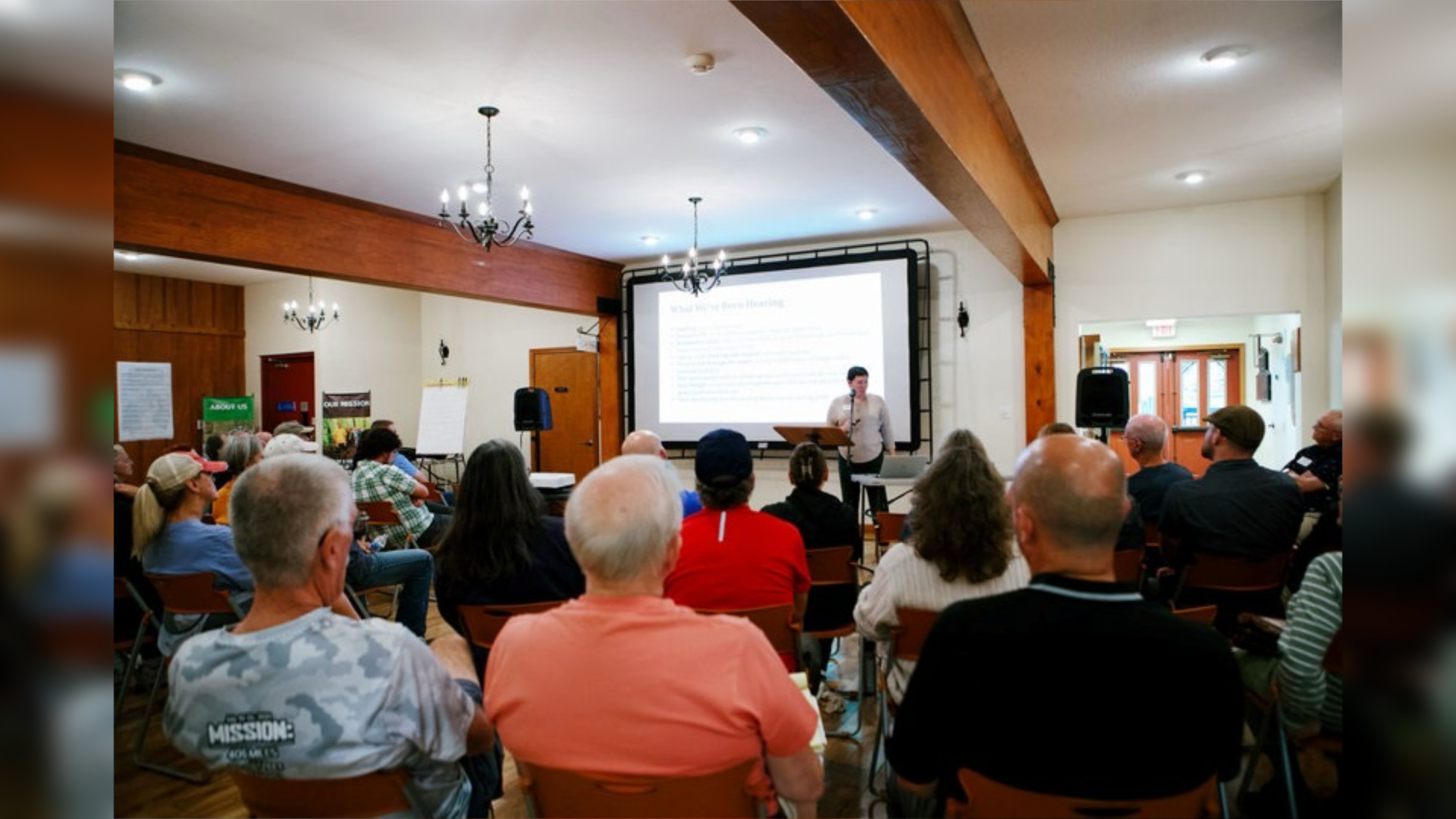
“Completing this framework is a major step forward for West Virginia,” said WV TRAIL Executive Director Sam England. “It gives us the structure, shared priorities, and statewide alignment needed to build a modern trail system that connects communities, supports local economies, and improves quality of life.”
England emphasized that the process itself sets West Virginia apart. “We believe this is a precedent‑setting approach,” he said. “We are not aware of any other state that has developed a framework for its trail plan—listening to citizens first about what matters most in their communities and what should be included in a renewed trails plan.”
The framework also calls for a Collaborative Management Model to guide both the development and implementation of the full plan. “This collaboration should come among agencies, state leadership, trail organizations, economic development groups, CVBs, businesses and trail enthusiasts,” England noted. “It’s a model built on shared responsibility and shared opportunity.”
WV TRAIL will share the framework broadly with partners, agencies, and the public. The full plan, once complete, will build on the framework’s priorities and provide detailed recommendations, implementation strategies, and tools for communities.
“Thank you to everyone who contributed to this important work,” England said. “Your involvement has made this milestone possible, and it will continue to shape the future of trails in West Virginia. We are especially appreciative of the Claude Worthington Benedum Foundation, Partner Community Capital and the Rails to Trail Conservancy for their financial support of this project.”
For a copy of the framework visit www.wvtrail.org. This link is to provide feedback on the framework.