


By Shauna Johnson
For WVU, Today
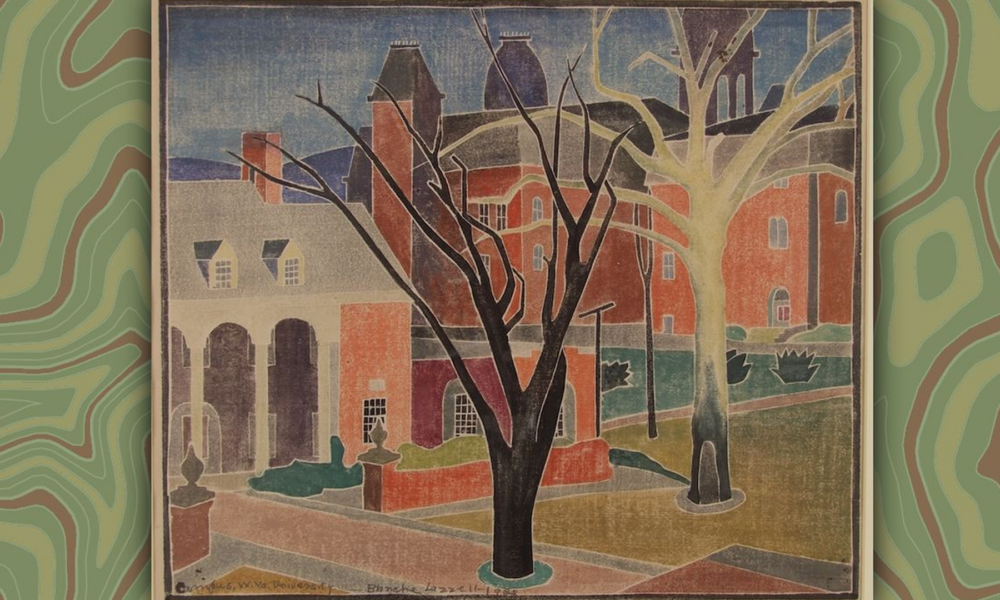
The largest collection of artworks by West Virginia University alum Blanche Lazzell, a Monongalia County native and pioneer of early American modernism, is coming back home to the Art Museum of WVU as its largest exhibition ever.
The first traveling exhibition curated by the Museum, “Blanche Lazzell: Becoming an American Modernist,” will return for the Fall 2026 semester after a two-year tour across the nation.
“Blanche Lazzell has long been overlooked by the larger art world,” said Robert Bridges, Museum curator. “We felt it was important to get her work out to other museums so others outside the state can view her art firsthand. To fully understand the importance and beauty of Lazzell’s art, you really need to see it in person.”
The exhibition will kick off with a faculty and student preview at 5 p.m. on Aug. 20, followed by a special reception at 5 p.m. on Aug. 21 to celebrate the public opening.
After graduating with a fine arts degree from WVU in 1905, Lazzell continued her studies in New York and Paris. She later moved to Provincetown, Massachusetts, where she co-founded the Provincetown Printers, an artist cohort of women printmakers known for using the woodcut method. During her time with this group, Lazzell became known for her signature white-line style of printmaking.
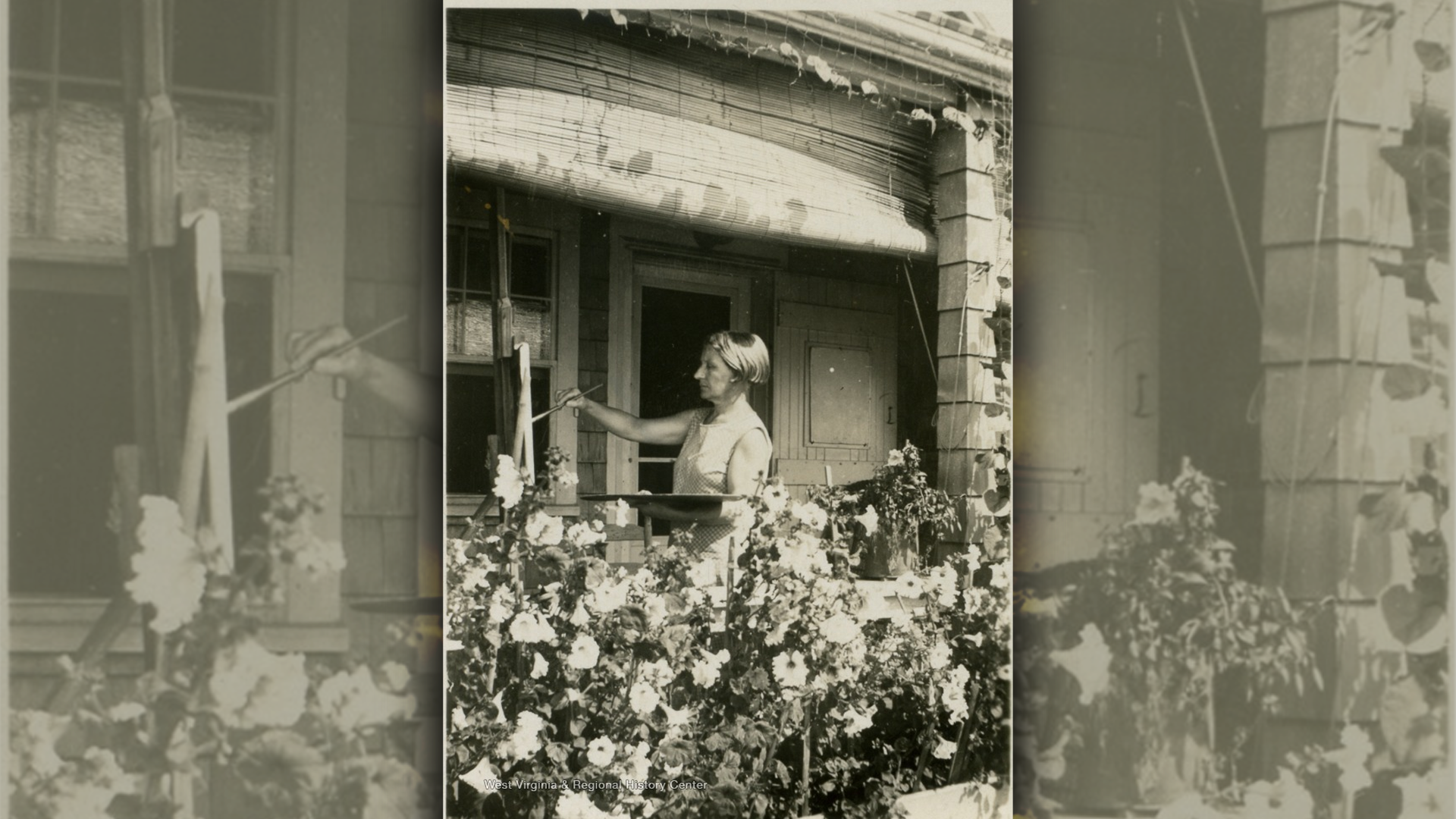
Though Lazzell became one of the first to bring modernist art to the United States, her work went underappreciated compared to other artists at the time largely because she was a woman and the print medium was not as valued.
When creating its first traveling exhibition, the Museum and partners set out to highlight Lazzell’s legacy by showcasing her work.
“For our Museum to have a traveling exhibition of this scale was no small feat. It truly took a village to make it happen,” said Aaron Levi Garvey, Museum director. “That village’s dedication to Blanche’s work has made it possible for us to build a top-tier exhibition that gained recognition not only for our institution by our peers, but also recognition for Blanche’s life, art, and legacy.
“The tireless efforts from our staff and our close supporters have been monumental, and my hope is that this exhibition serves as just the tip of the iceberg of what our institution can accomplish.”
Since August 2024, the collection has visited the Academy Art Museum in Easton, Maryland, the Bruce Museum in Greenwich, Connecticut, the Provincetown Art Association and Museum in Massachusetts, and most recently the Albany Institute of History and Art in New York.
“Blanche Lazzell: Becoming an American Modernist” features more than 60 of Lazzell’s works, as well as a documentary about her life and career.
“Lazzell was pivotal in carrying forward a technique for making the color woodblock prints developed in Provincetown in 1915,” Bridges said. “Lazzell’s very early interest in abstraction led her to combine it with this technique, and today she is credited as being one of the first American artists to create an abstract print.”
Upon its return to Morgantown, additional selections from her studies and early career, including works created as a WVU student, will join the exhibition.
“We have many works that were either too fragile or too large to travel. We also wanted to represent early art created in West Virginia and her time here at WVU,” Bridges said. “In addition, I felt that it was important to represent work that came to us from the Lefkowith Collection, which is a collection of 77 Blanche Lazzell artworks that, through the help of donors William and Patricia Bright and other dedicated supporters, we were able to acquire in 2024.”
A partnership with the West Virginia Botanic Garden has also been established, and Lazzell’s works will be represented through living art around the garden leading up to the exhibition opening.
“The Botanic Garden came to us about using images of Lazzell’s art and translating it to living exhibitions,” Bridges said. “We have partnered with them and have created a unique opportunity to experience some of the flowers she loved and included in many of her artworks. There are educational opportunities to learn about the artist in nature this summer and prepare for seeing her art in person at the Museum in August.”
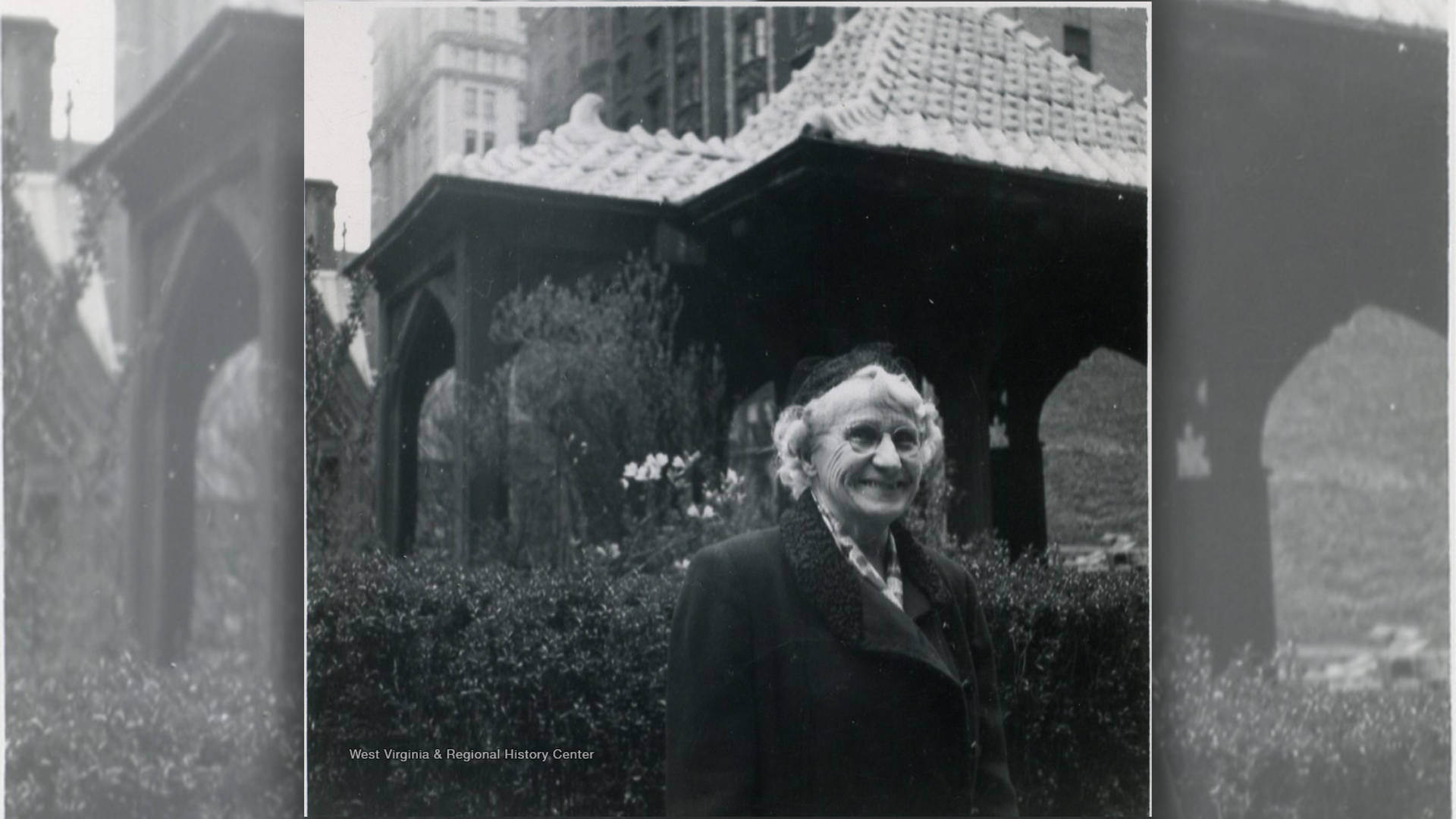
Lazzell died in 1956, and in the decades since, her work has continued to gain recognition and be acquired by numerous institutions. The Art Museum of WVU collection, which includes donated works from the Lazzell family, is now one of the largest in the world.
“Blanche Lazzell: Becoming an American Modernist” was made possible with support from the Art Bridges Foundation, Patricia B. Bright and William T. Bright, Patrick D. Deem and Alison H. Deem, The Jean J. and Laurence S. DeLynn Foundation, Dr. Jim Stevenson, Drs. George Lilley and Mavis E. Grant-Lilley.
Read more from WVU, Today, here.