
By Charlie Wilfong, president, West Virginia Farm Bureau
From the Moorefield Examiner:
The West Virginia Farm Bureau would like to recognize the farmers and poultry growers throughout the Potomac Highlands and Eastern Panhandle who have voluntarily committed themselves to conservation practices that have improved the quality of the Chesapeake Bay. These producers, small and large, have always been great stewards of the land. However, it’s their impressive actions that have made West Virginia a leader among states in the Chesapeake Bay Watershed Agreement.
West Virginia signed the Chesapeake Bay Watershed Agreement in 2014, joining Maryland, Virginia, Pennsylvania, New York, Delaware and Washington, D.C. in a commitment to restore the bay, its tributaries and the lands surrounding them. The goals within this agreement, including water quality improvement and farmland conservation, were set to be completed by 2025.
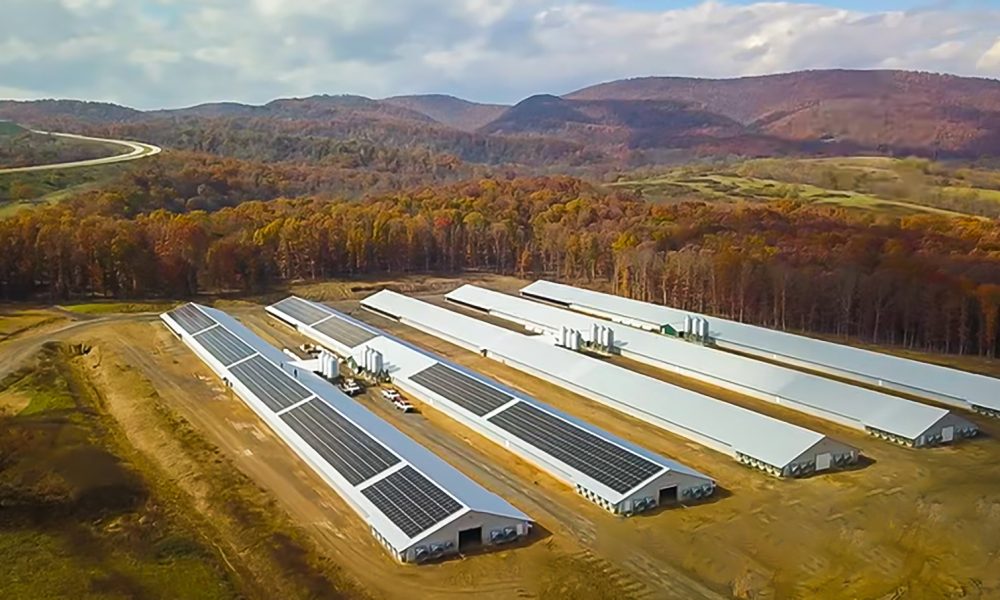
The counties in the Potomac Highlands and Eastern Panhandle fall within the Chesapeake Bay Watershed and their economies revolve largely around agriculture, including raising beef cattle, corn silage, and other various crops. Agriculture production in the region also includes the raising of poultry, which is West Virginia’s largest agricultural commodity.
Because of the proactive nature of West Virginia’s agricultural producers, West Virginia has met 100% of its goal of reducing nitrogen pollution for 2025, 91% of its phosphorus reduction goal and 100% of sediment reduction goal – the best of any state within the watershed. This has been made possible thanks to producers implementing best management practices, developing nutrient management plans, rotating livestock, carefully overseeing soil health, utilizing riparian buffers to reduce runoff and adopting the latest agriculture technology.